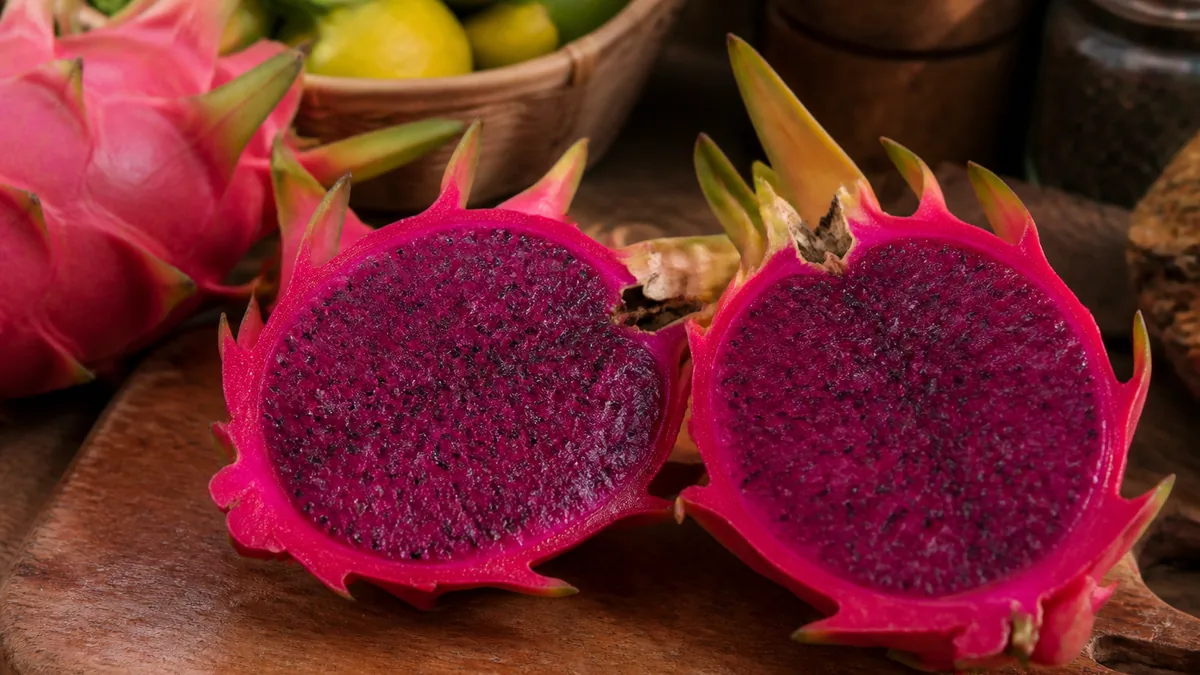
Buah Naga
Dragon Fruit
Pink or white-fleshed cactus fruit widely grown in Selangor and Johor — sweet, refreshing, and popular in juices, salads, and farm tours.
Read guide →Seasonal produce, orchard visits, and agrotourism — from dragon fruit in Sepang to durian in Pahang.
From dragon fruit in Sepang to durian in Pahang — explore farms including HL Dragon Fruit Eco Farm and seasonal guides for every major Malaysian fruit.

Practical guides to what is in season, where it grows, and how locals enjoy it.
Pink or white-fleshed cactus fruit widely grown in Selangor and Johor — sweet, refreshing, and popular in juices, salads, and farm tours.
Read guide →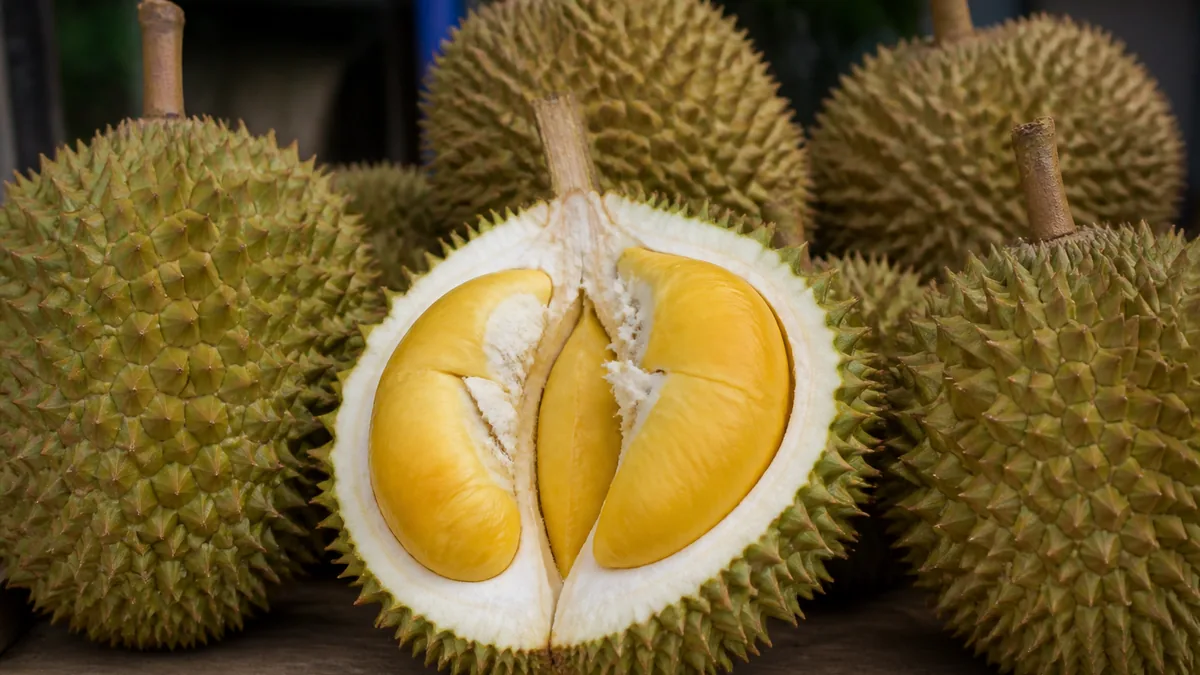
Malaysia’s iconic “king of fruits” — creamy, aromatic, and highly seasonal. Penang and Pahang are famous for cultivars like Musang King.
Read guide →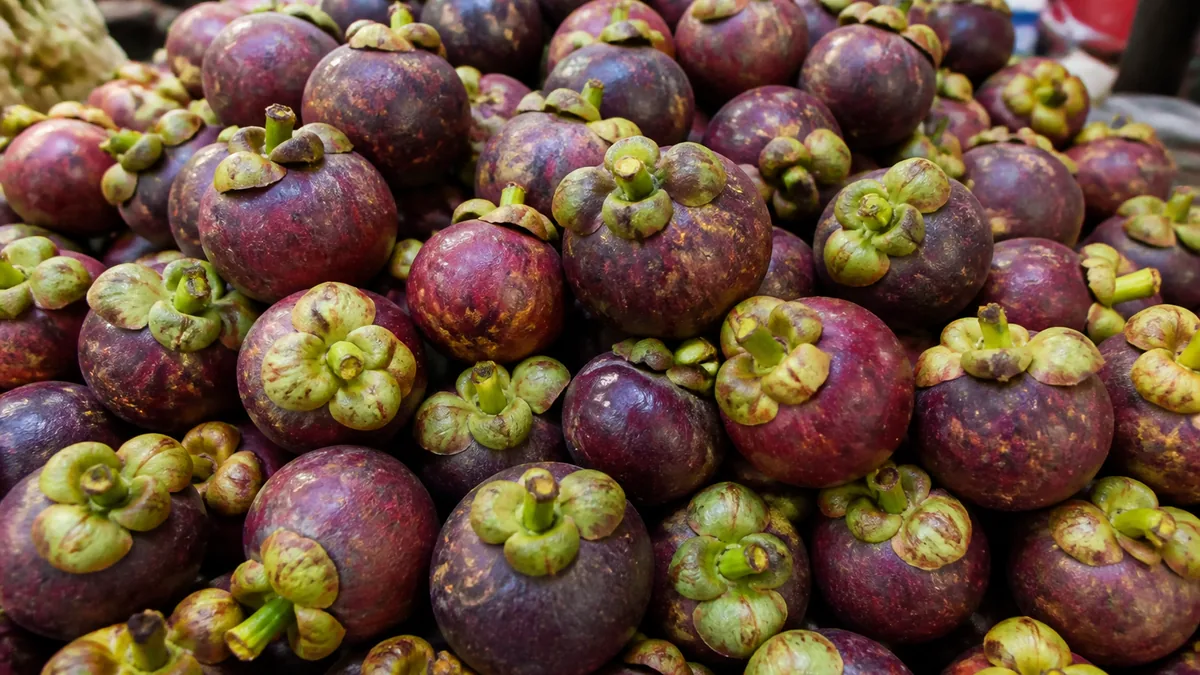
The “queen of fruits” — purple rind, snowy segments, and a balance of sweet-tart flavour. Often paired with durian season.
Read guide →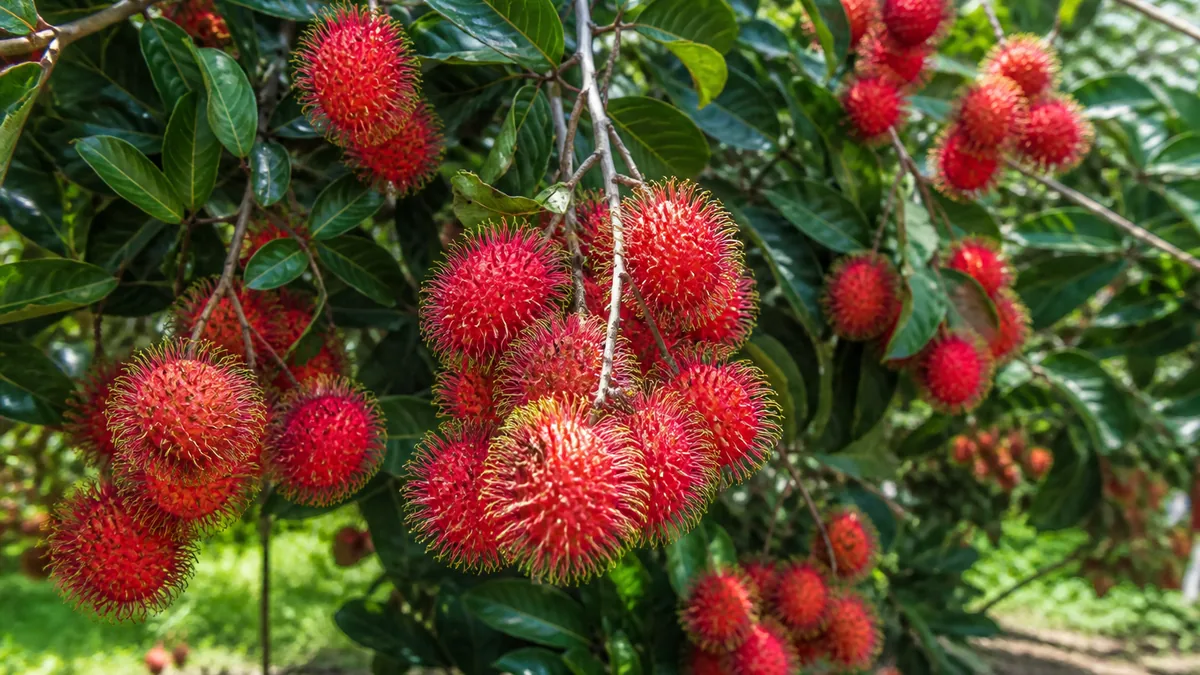
Hairy red or yellow-skinned lychee relative — juicy, mildly sweet, and abundant during mid-year harvests in lowland orchards.
Read guide →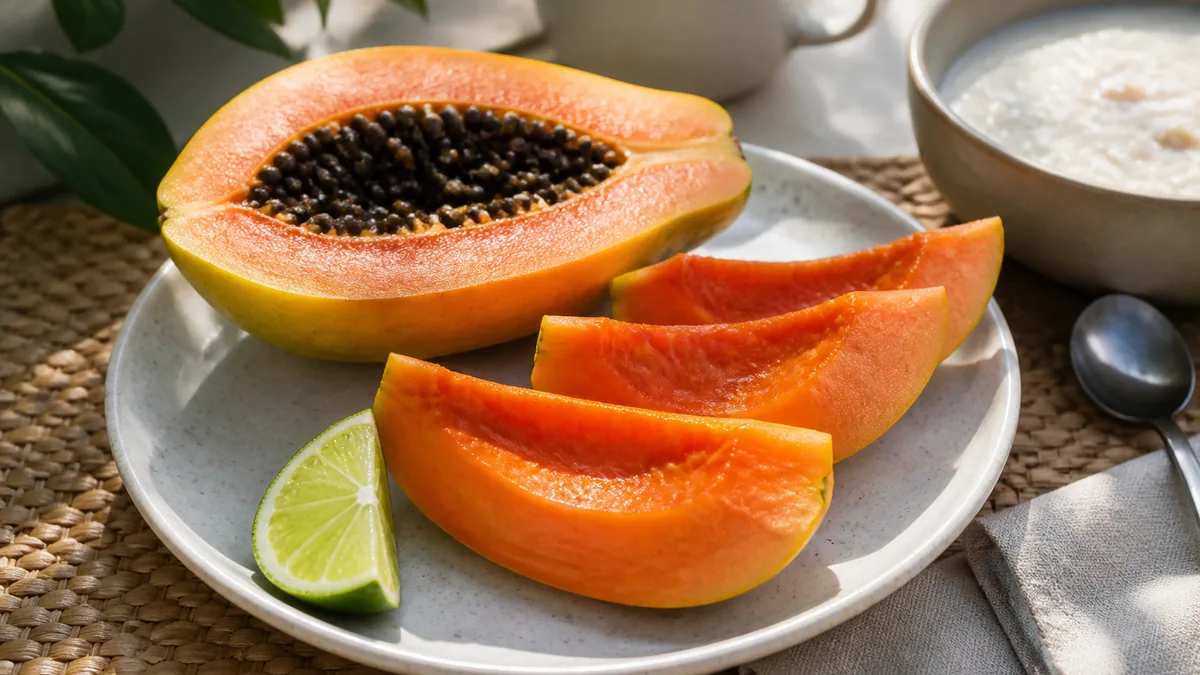
Everyday Malaysian staple — eaten ripe for breakfast, unripe in salads and curries. Grows well in warm lowlands year-round.
Read guide →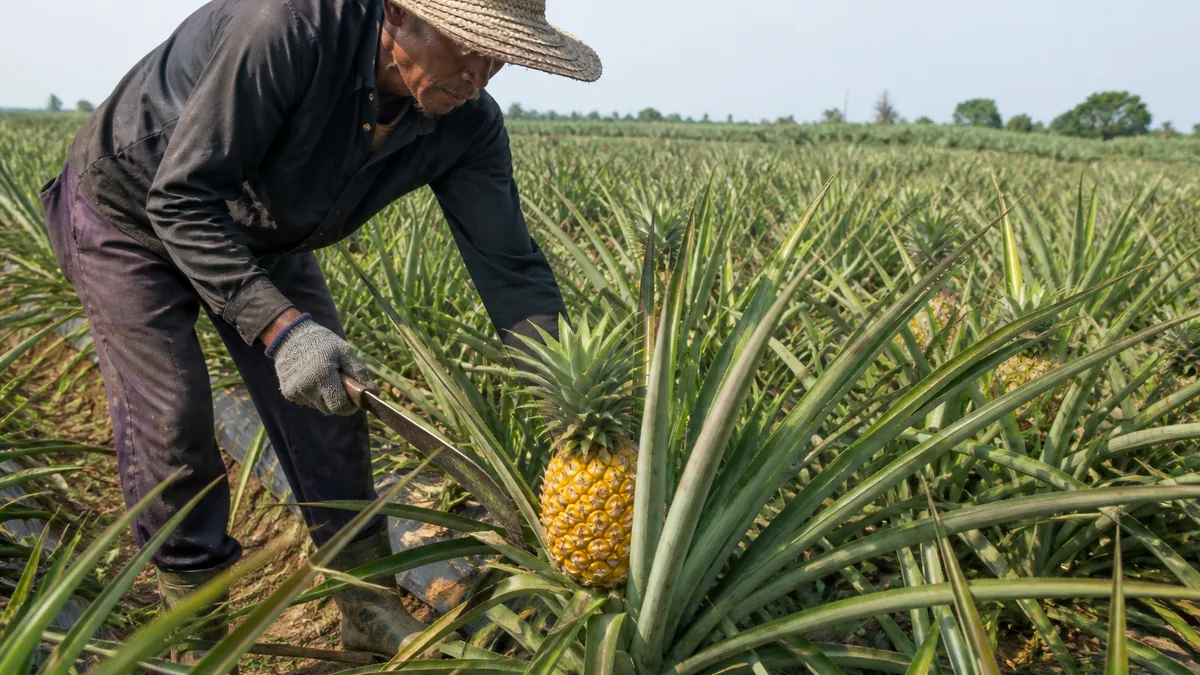
Johor is a major producer — sweet MD2 and Sarawak varieties supply markets, juice factories, and export chains.
Read guide →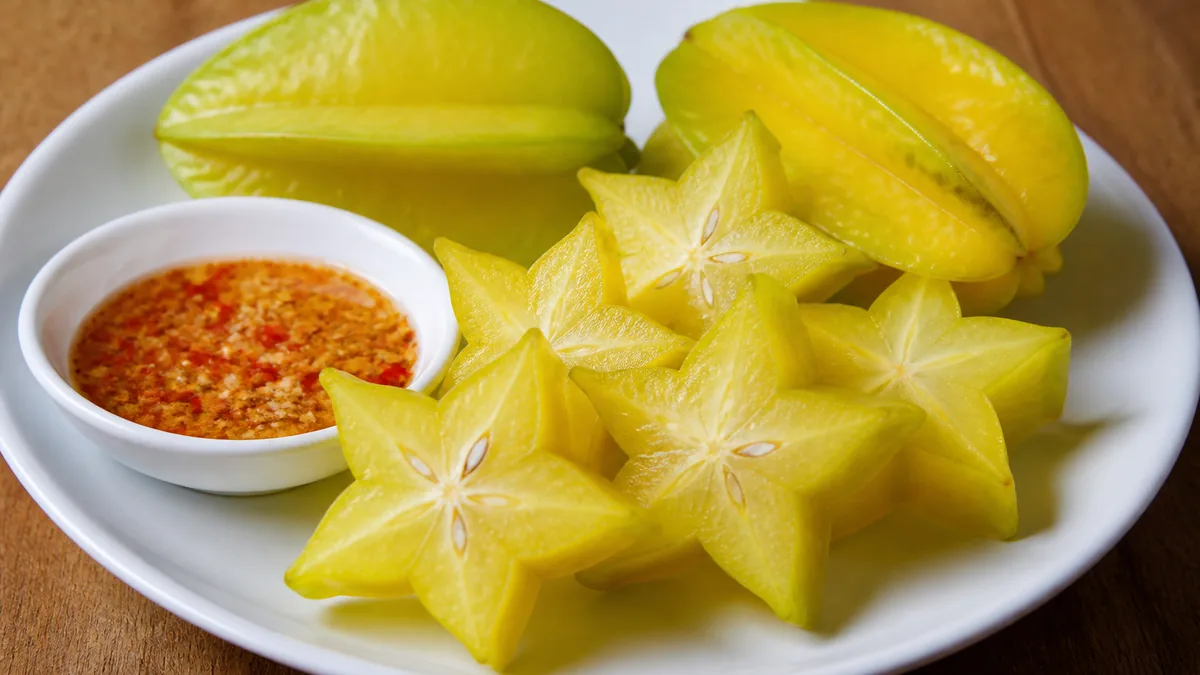
Crisp, juicy, and naturally star-shaped when sliced — belimbing is a backyard favourite across Malaysia, eaten green with salt and chili or ripe as a sweet snack.
Read guide →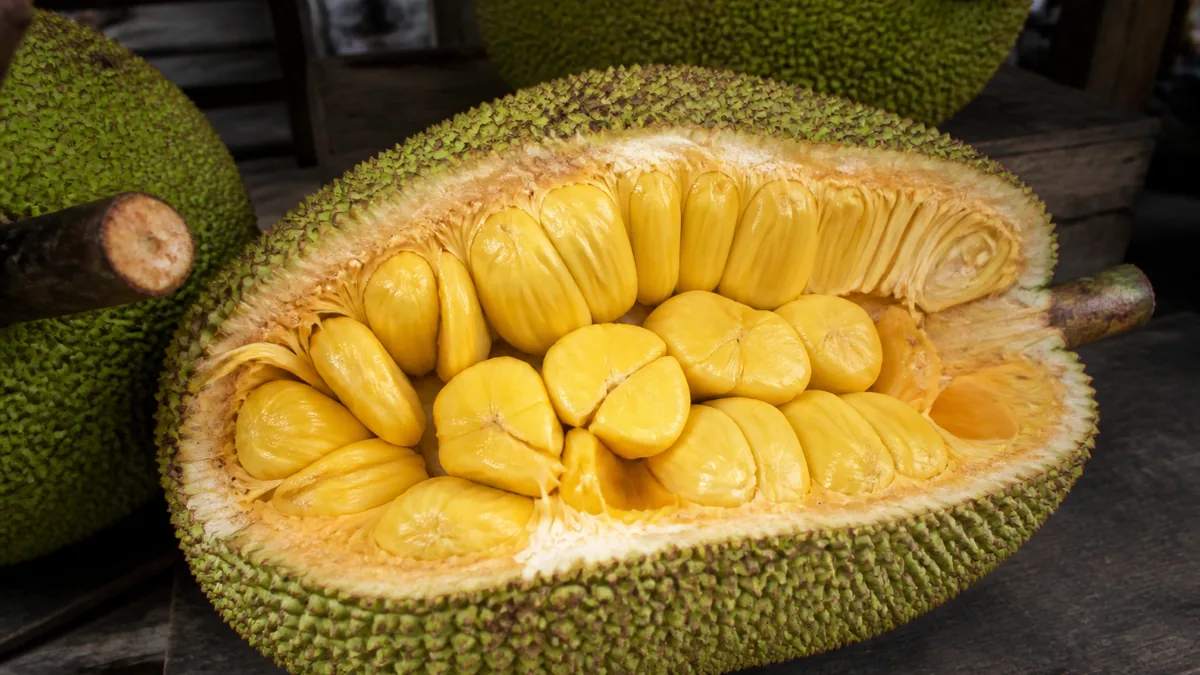
The world’s largest tree-borne fruit — nangka yields sweet yellow bulbs and unripe flesh used in curries. Common in kampung orchards and wet markets nationwide.
Read guide →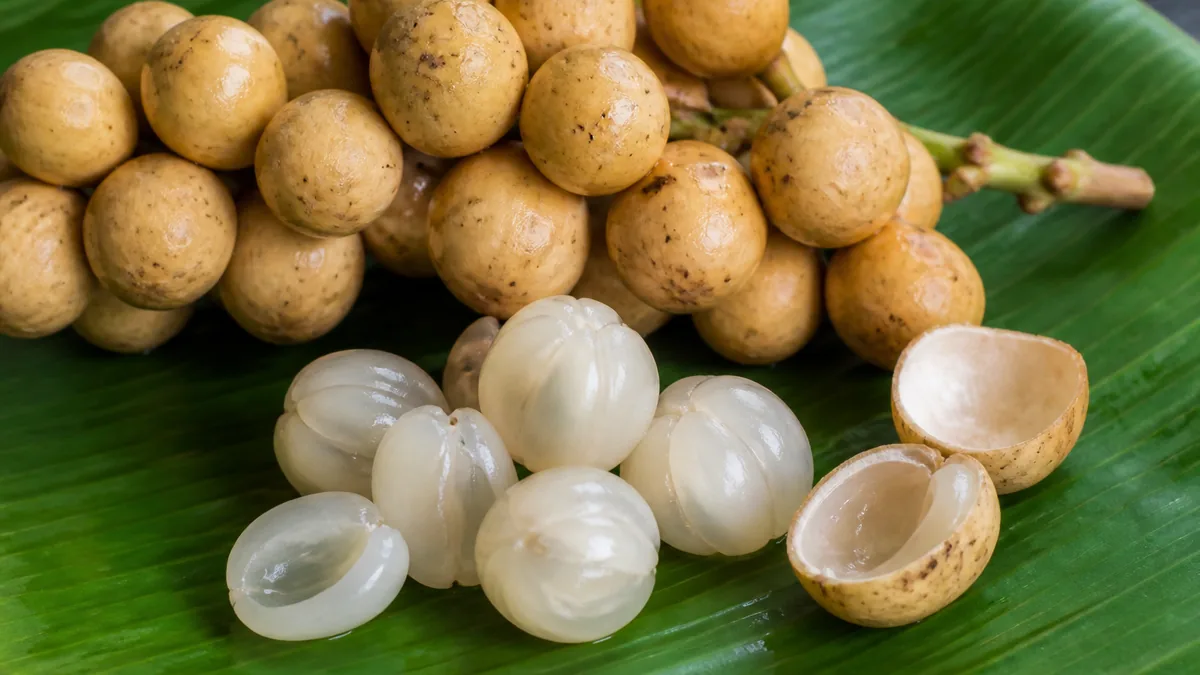
Translucent segments in a thin brown skin — langsat is tart-sweet while duku tends to be milder and larger. Both are East Coast and lowland favourites.
Read guide →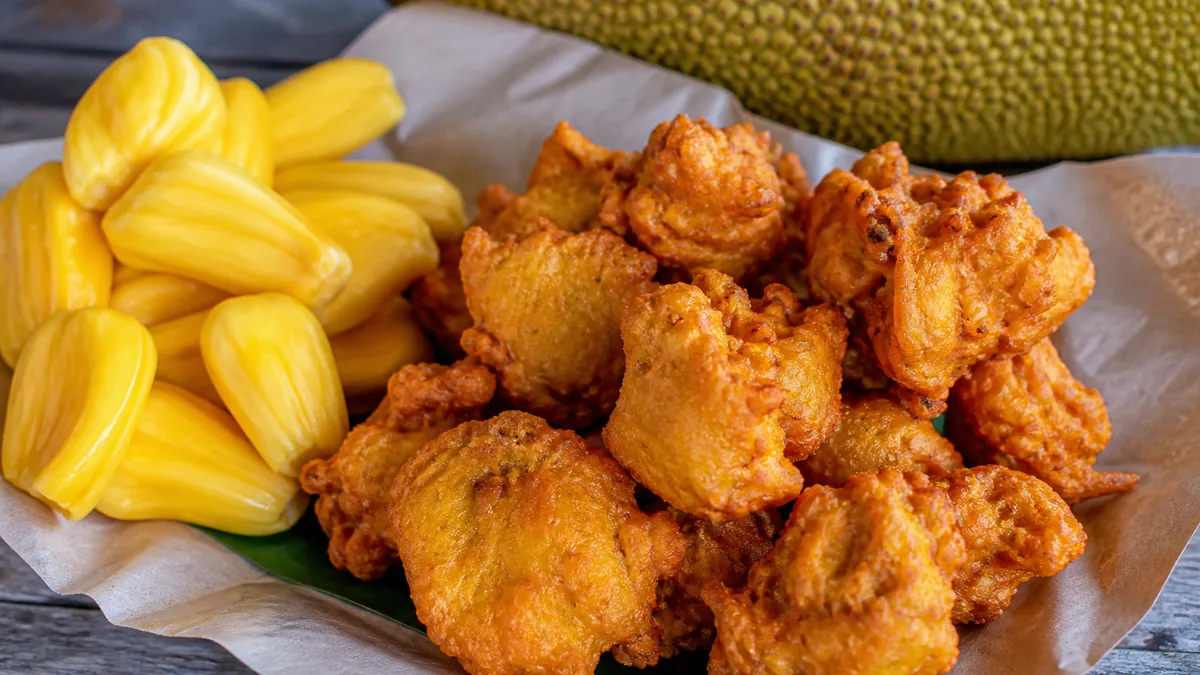
A close relative of jackfruit with stronger aroma and softer, sweeter flesh — beloved fried as goreng cempedak or eaten fresh when fully ripe.
Read guide →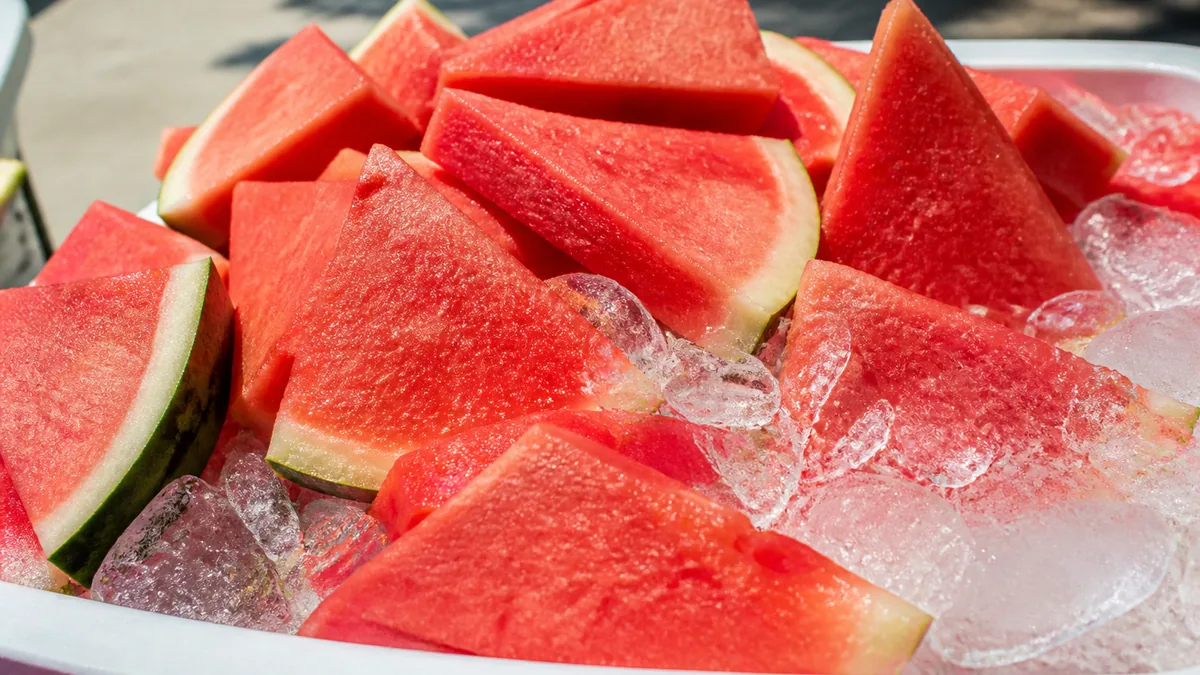
Essential Ramadan and hot-day refreshment — Malaysian growers supply seedless and seeded varieties from Kedah, Kelantan, and the northern plains.
Read guide →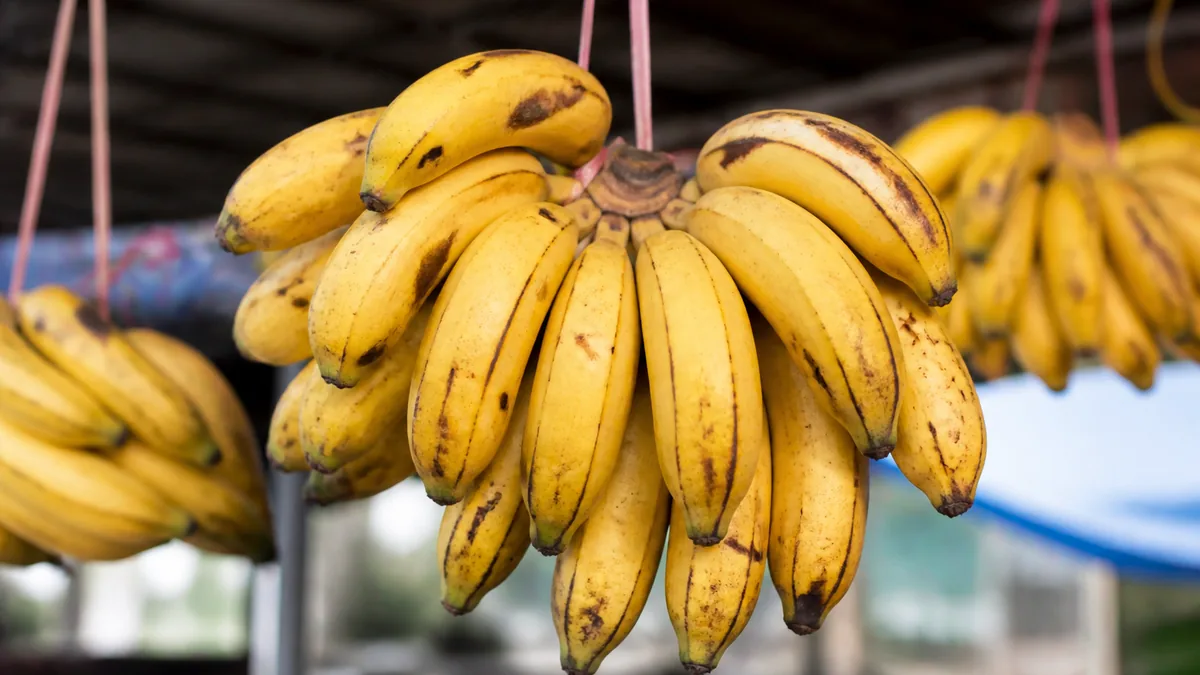
Dozens of cultivars — from pisang berangan and pisang emas for eating to pisang abu for goreng pisang. Malaysia is among the world’s top banana consumers.
Read guide →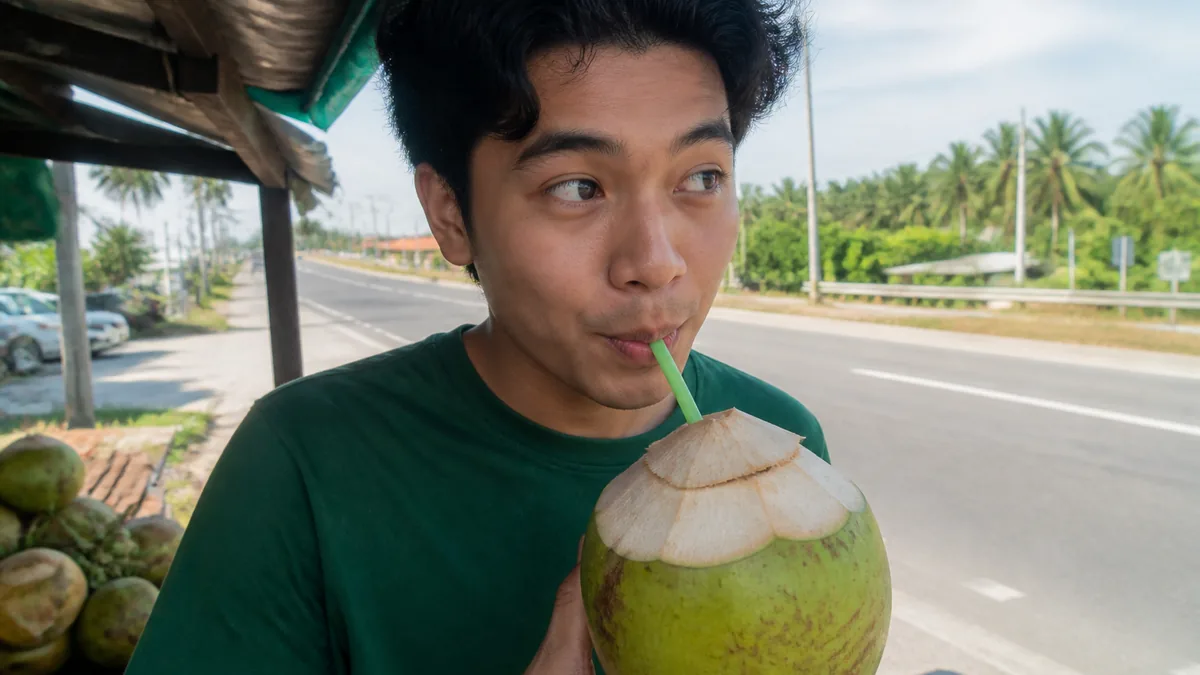
The tree of life — fresh drinking coconuts, santan for curries, gula melaka from sap, and young flesh in desserts. Coastal and inland groves throughout Malaysia.
Read guide →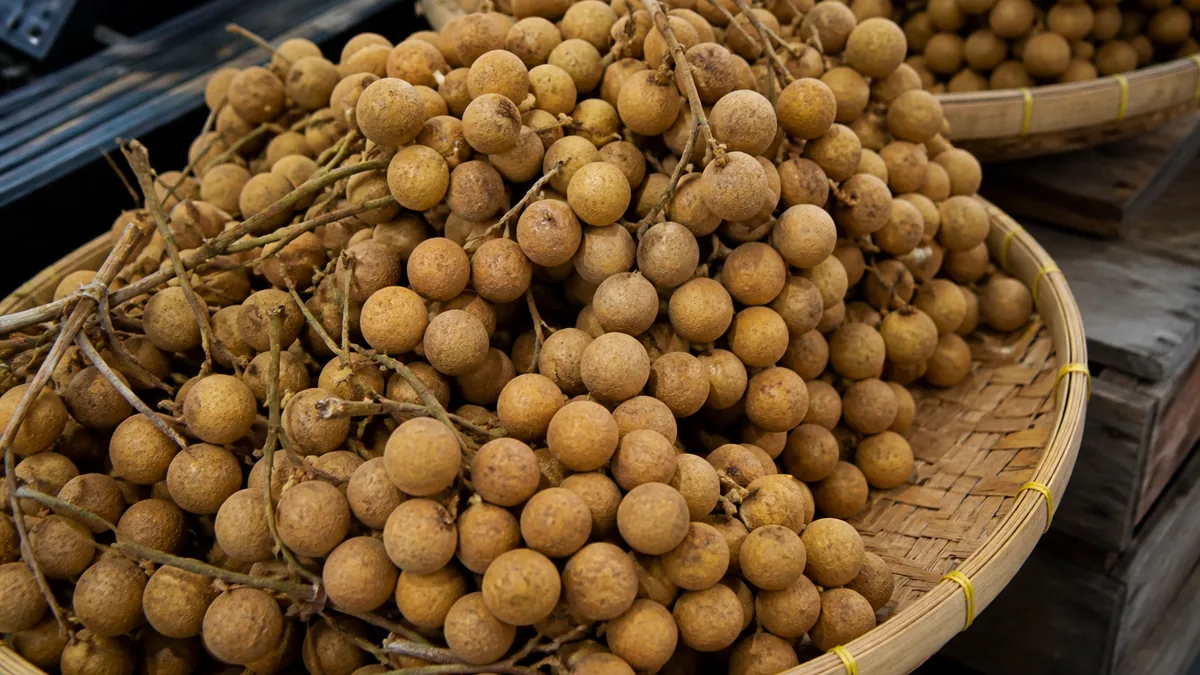
Small brown-skinned fruit with translucent, lychee-like flesh — longan (or mata kucing in some regions) is popular dried, fresh, and in tong sui desserts.
Read guide →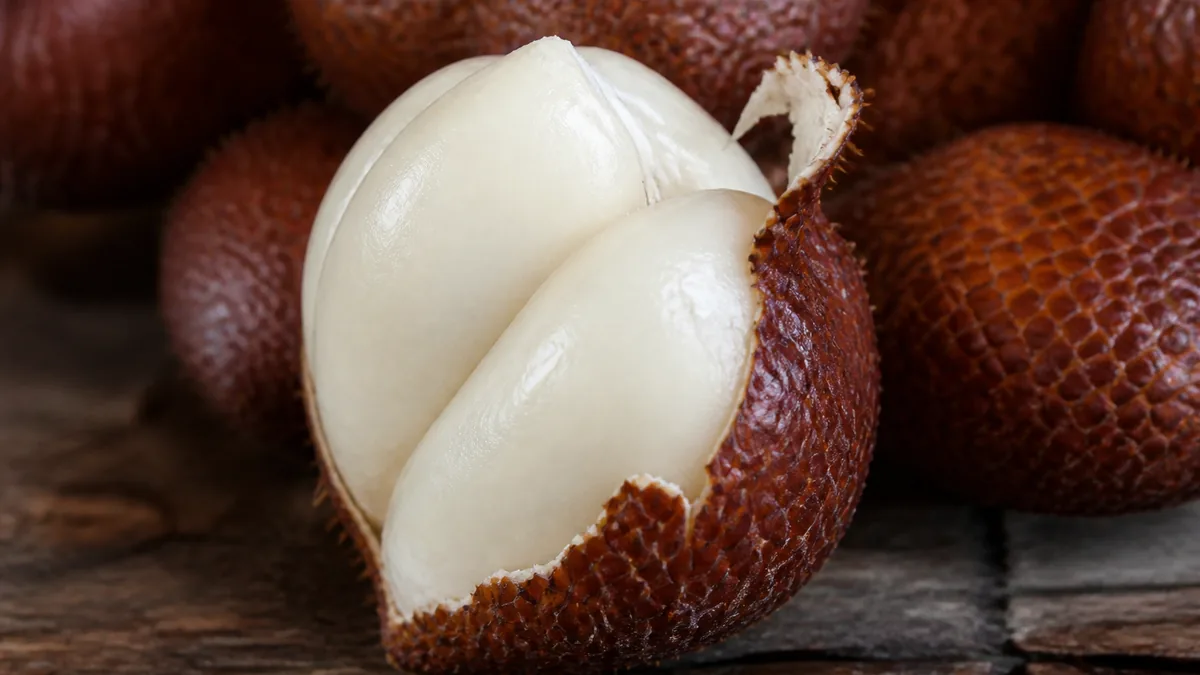
Red-brown scaly skin resembling snake scales — crisp, sweet-tart flesh with an apple-like crunch. Grown commercially in parts of Malaysia and often sold at agro markets.
Read guide →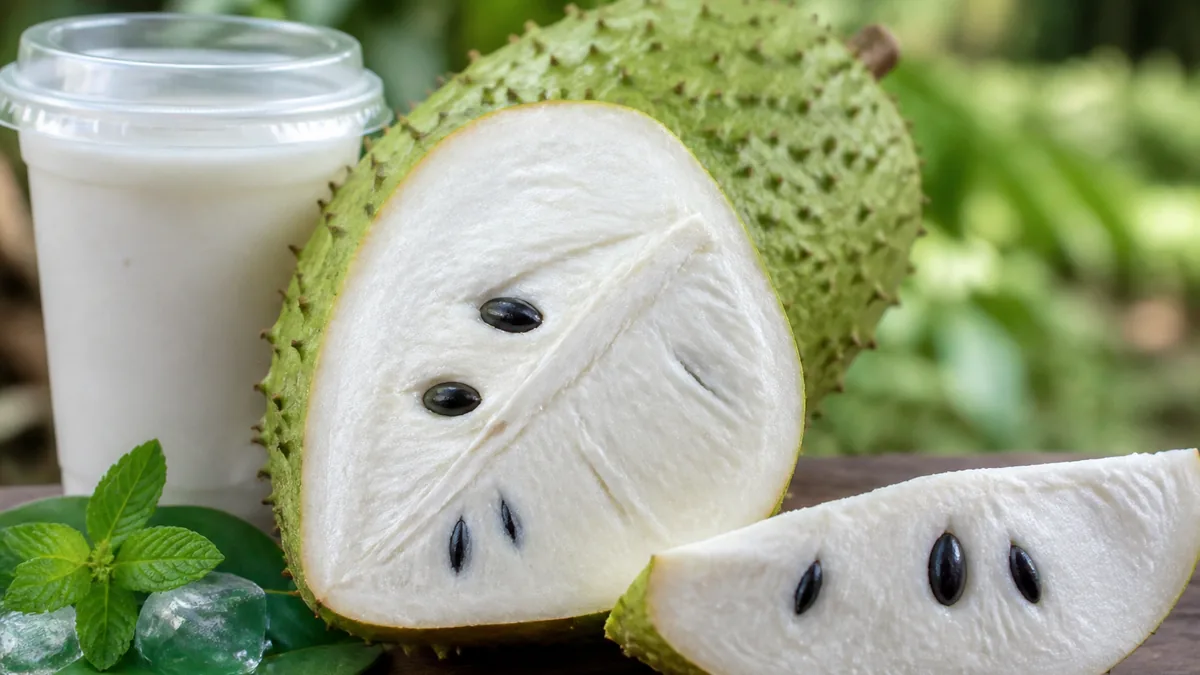
Creamy white pulp with a tangy-sweet profile — durian belanda is blended into juice, ice cream, and traditional remedies. Popular in kampung gardens and local markets.
Read guide →Places to learn about fruit growing across Malaysia.
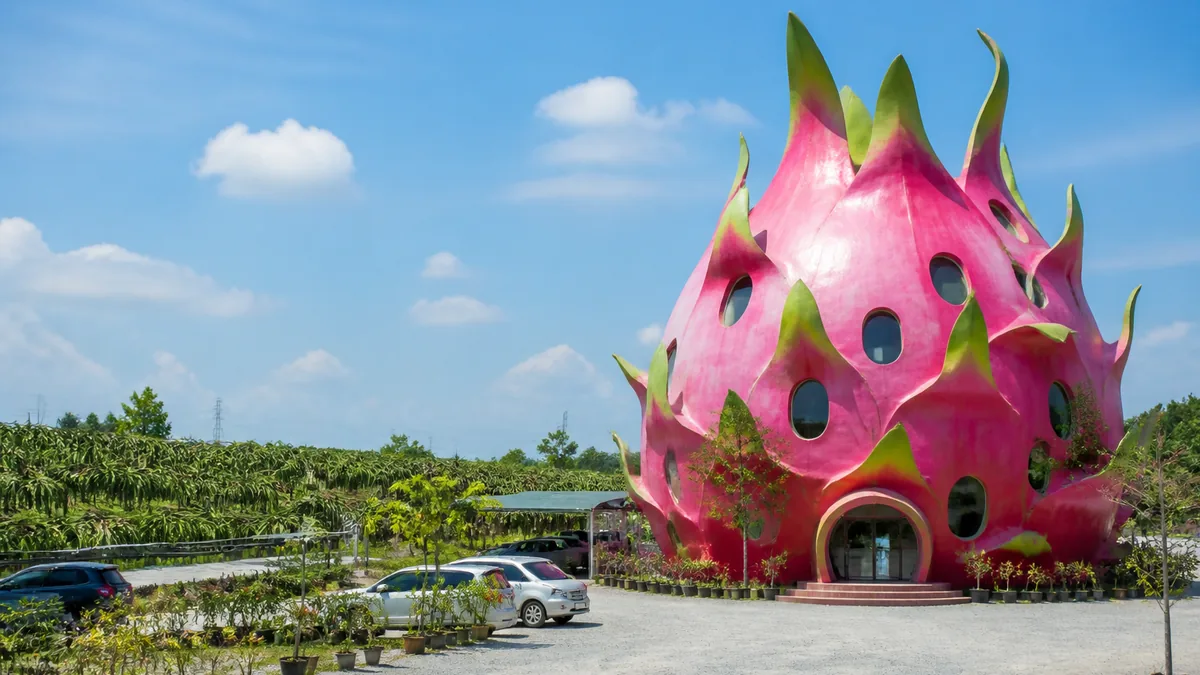
Sepang agrotourism destination known for dragon fruit planting, a farm-to-table restaurant concept, and a record-breaking dragon fruit-shaped landmark building.
View profile →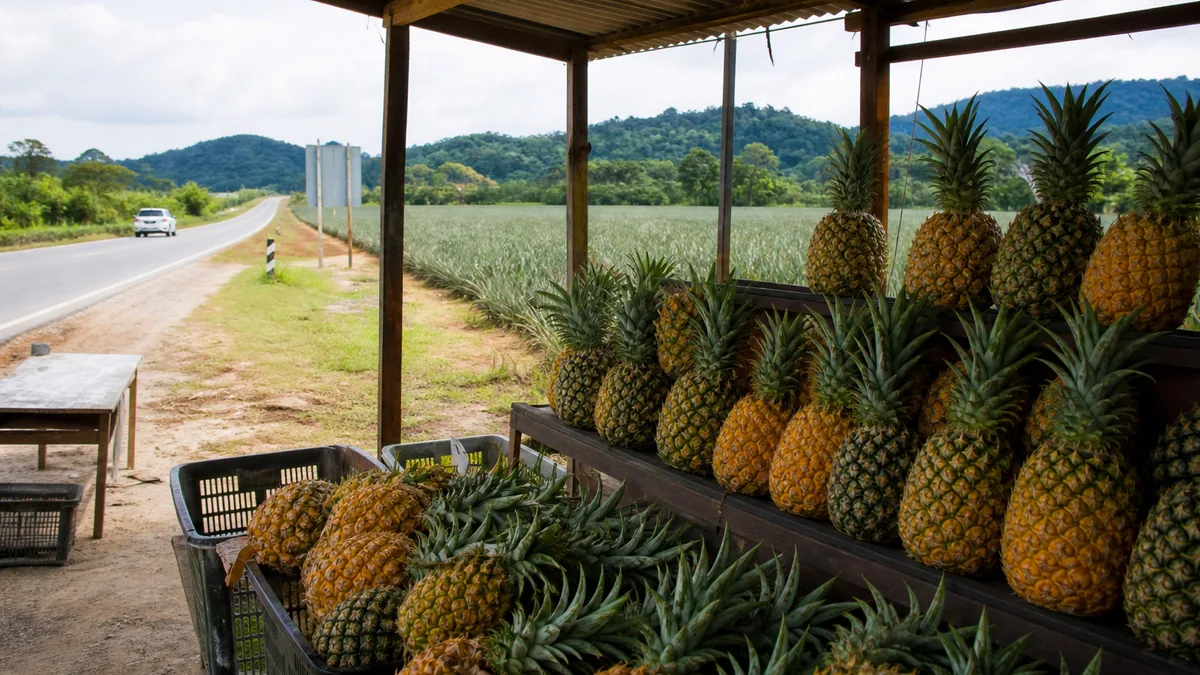
Southern Johor’s pineapple corridor — MD2 and traditional varieties supply domestic markets and processing plants.
View profile →Seasonal tips, farm stories, and Malaysian fruit culture.
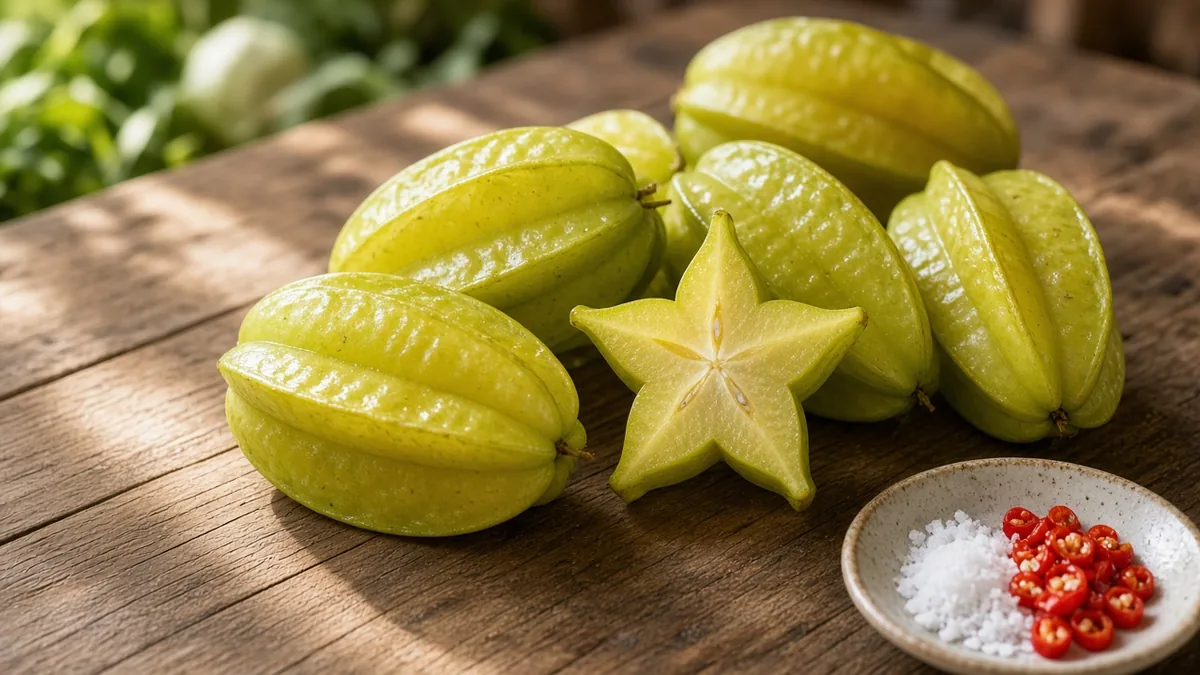
Why Malaysians call starfruit belimbing, how belimbing manis differs from belimbing buluh, and how to buy the right fruit at pasar pagi.
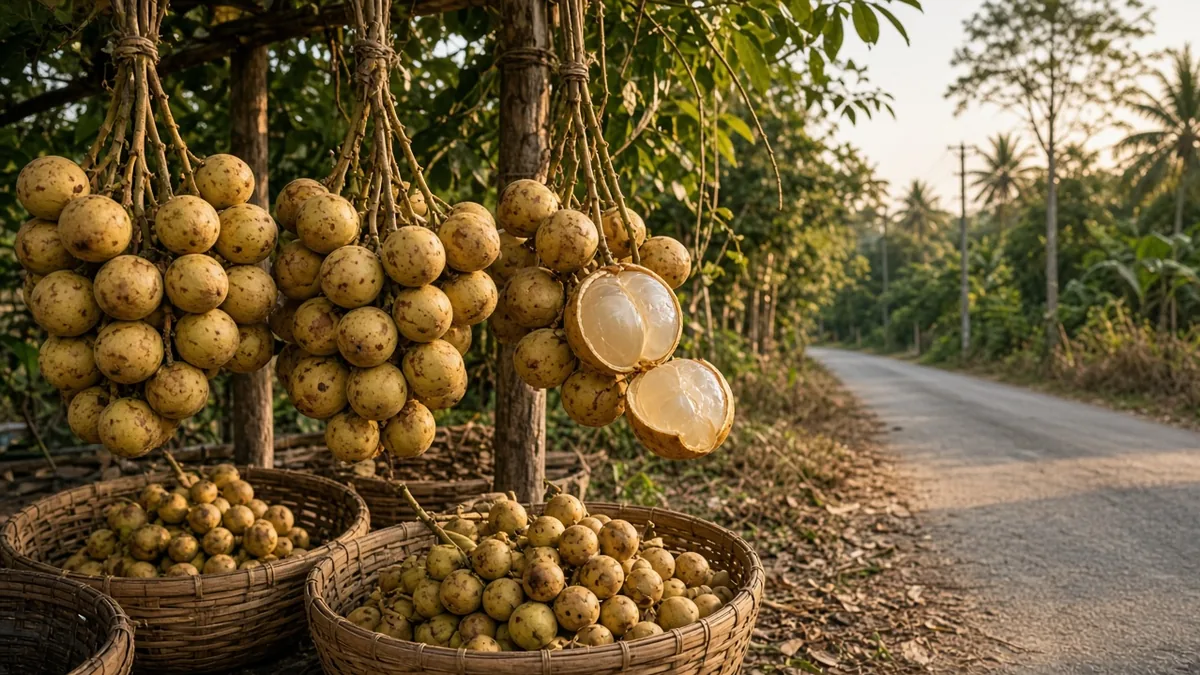
A practical guide to langsat, duku, and dokong on the East Coast — harvest months, how to peel them, and how to avoid mixing them up with longan.
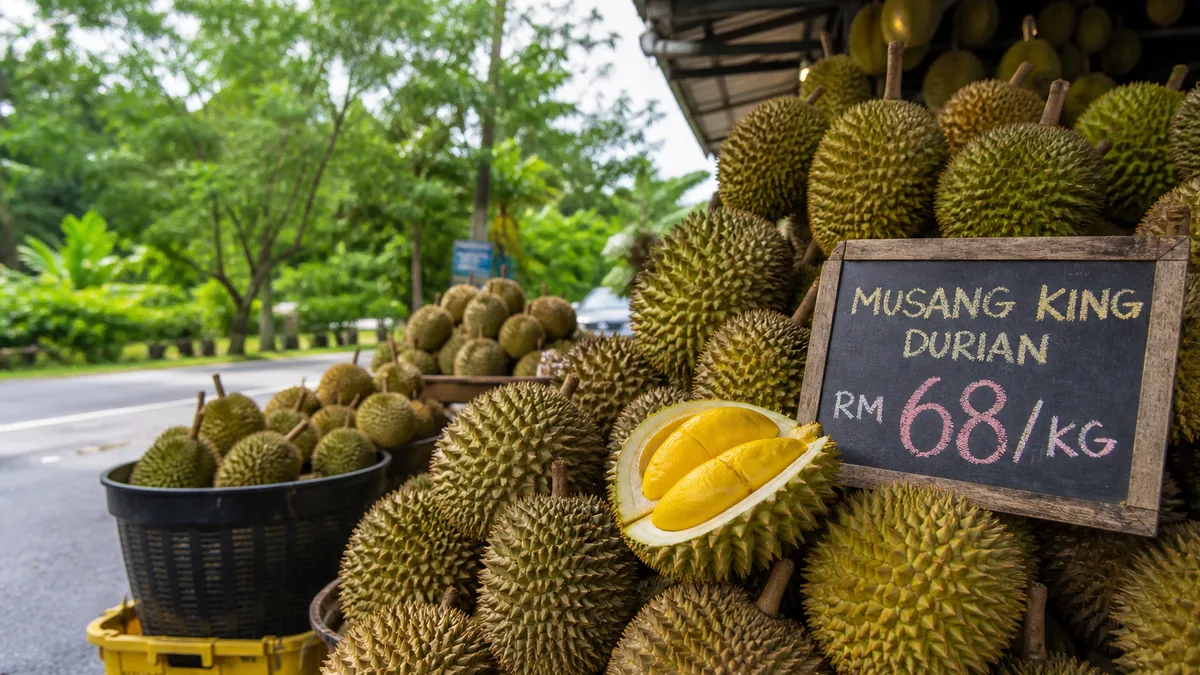
Malaysia's 2026 durian glut explained — Musang King price drops, where to buy in KL and Raub, cultivar grades, and how to avoid overpaying during peak season.
Your guide to Malaysian tropical fruits — seasonal produce, farm visits, agrotourism, and farm-to-table stories across Peninsular Malaysia.
About this guide