Mangosteen — Malaysia's Queen of Fruits
How to choose ripe mangosteen, when it is in season, and why Malaysians pair it with durian during mid-year harvests.
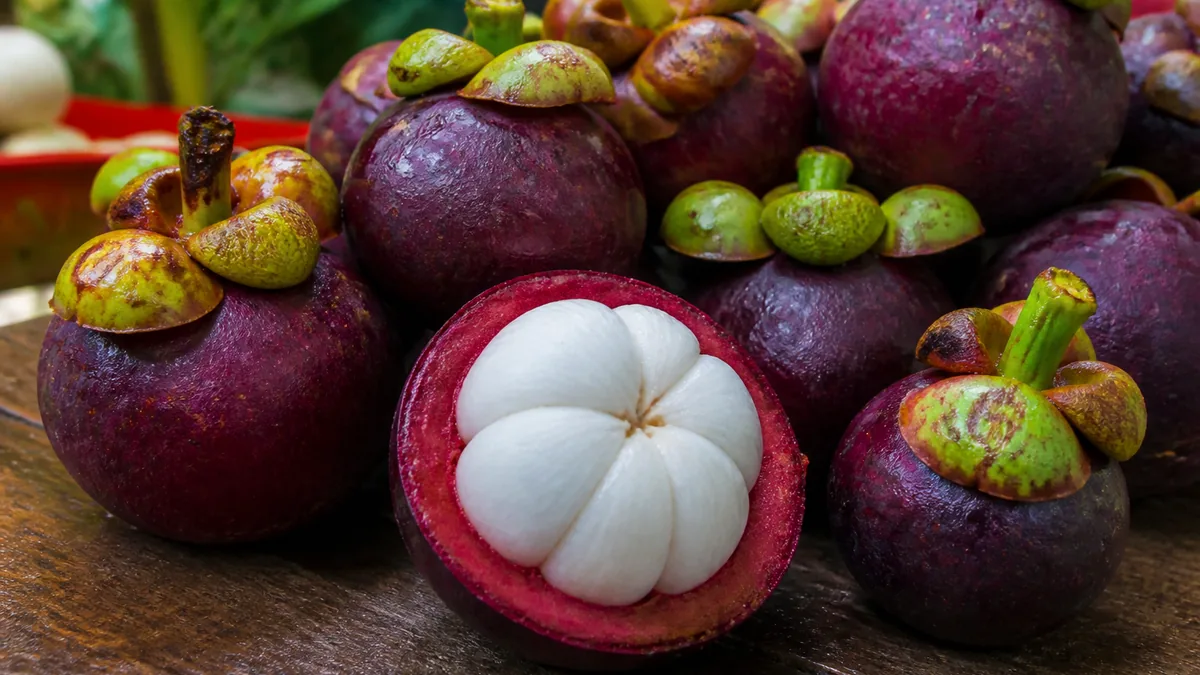
Purple mangosteen (Garcinia mangostana) earns the title queen of fruits for its elegant segments and sweet-tart balance. In Malaysia it shares market stalls with durian during the mid-year season — a pairing rooted in contrast: rich custard followed by clean, juicy refreshment.
Origins and cultivation
Mangosteen is native to Southeast Asian humid lowlands. Malaysian trees take years to mature but can produce for decades once established. Orchardists in Penang, Johor, and Pahang manage height for safer harvest — fruit does not ripen significantly after picking, so timing at the tree matters.
Unlike durian’s dramatic aroma, mangosteen is mild and hotel-friendly. That makes it popular with tourists who want an authentic tropical fruit without the controversy.
Spotting ripeness
Choose fruits that feel heavy for size — a signal of juicy segments inside. Skin should be deep purple with a slight give at the stem end when ready. Avoid hard, pale-green specimens unless you plan to wait days at home (and even then, mangosteen does not ripen like bananas).
The number of bottom “petals” on the scar is folk wisdom about segment count — fun conversation but not a reliable quality indicator. Trust colour, weight, and seller reputation instead.
Fresh signs: glossy purple rind, green cap intact, no white mould at stem.
Past-prime signs: dry brown cap, soft leaking spots, fermented smell when opened.
Season across Malaysia
June–September is typical in Peninsular Malaysia, overlapping durian peak. Sabah and Sarawak timing differs — coastal wet markets are the best real-time guide. Off-season fruit may be imported or stored, costing more with slightly softer texture.
Price curves follow supply: early season premium, mid-season abundance, late season smaller fruit from tail-end harvest.
| Period | What to expect |
|---|---|
| Early season (June) | Higher prices, large fruit |
| Mid season (July–Aug) | Best value, peak quality |
| Late season (Sept) | Smaller fruit, falling prices |
How to open and eat
Score the rind around the equator with a knife and twist halves — the shell splits cleanly on ripe fruit. Segments are white, often seedless in premium clones. Remove any bitter seed inside small segments before eating.
Eat chilled for best texture. Juice is limited compared with orange or watermelon — mangosteen is primarily a fresh-eating fruit.
Nutrition and the purple rind
Edible flesh is rich in vitamin C and low in calories. The thick purple rind contains xanthones, compounds used in traditional teas and supplements — locals rarely eat rind fresh because of intense bitterness. Some processors extract rind for health products; that is separate from table fruit.
Pairing with durian
Malaysian stalls sell durian + mangosteen combo bags during peak weeks. The pairing works because mangosteen’s acidity cuts through durian richness. Try alternating bites rather than eating durian alone in large quantity — your palate (and stomach) will thank you.
Where to buy
- Pasar malam clusters in KL, PJ, and Penang during season
- Highway stalls en route to Raub or Penang highlands
- Supermarkets — convenient but check stem freshness
- Orchard direct — occasional agro sales in Johor
Explore our full mangosteen fruit guide for regional detail and serving ideas.
Storage tips
Room temperature 3–4 days in shade; refrigerate up to one week if needed. Do not stack heavy weight — rinds bruise and internal segments ferment. Open within a few days of purchase for best flavour.
For visitors
Mangosteen is an ideal introduction to Malaysian fruit culture — no strong smell, easy to eat, and culturally paired with the country’s most famous controversial fruit. Ask sellers “ni musim manggis ke?” to confirm seasonality before buying bulk.