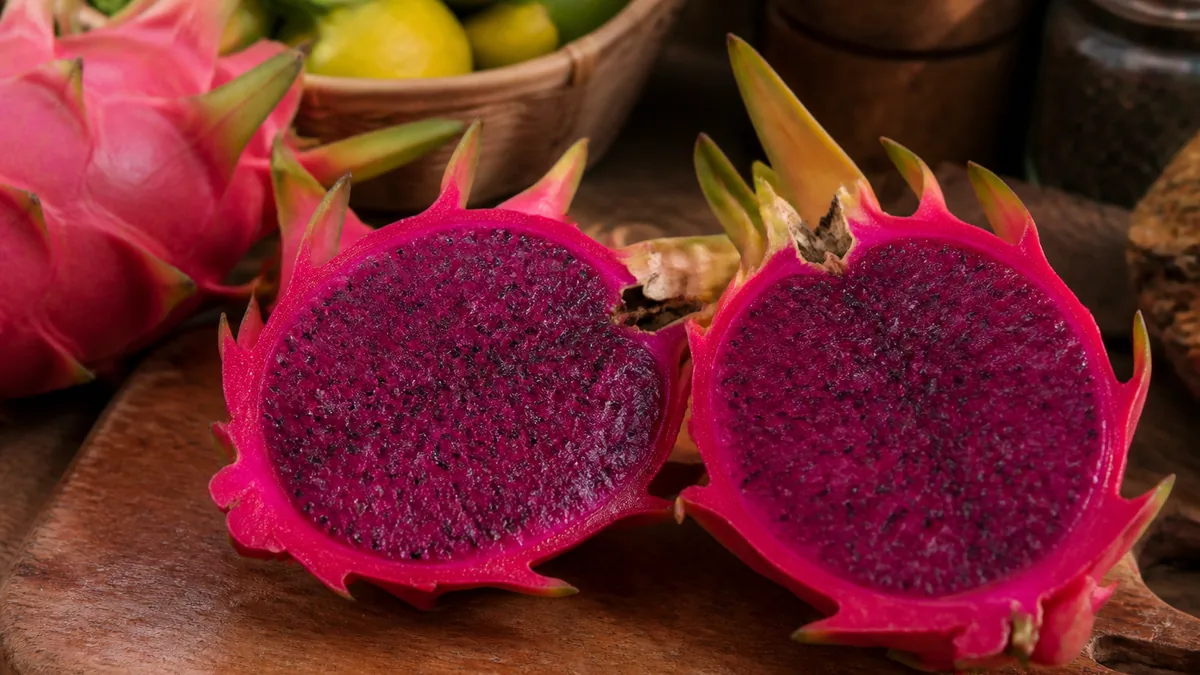
Buah Naga
Dragon Fruit
Pink or white-fleshed cactus fruit widely grown in Selangor and Johor — sweet, refreshing, and popular in juices, salads, and farm tours.
Season: Year-round with peaks after rainy spells; main harvest varies by farm.
What is in season, where it grows, and how Malaysians enjoy it — from everyday papaya to festival durian.
Pink or white-fleshed cactus fruit widely grown in Selangor and Johor — sweet, refreshing, and popular in juices, salads, and farm tours.
Season: Year-round with peaks after rainy spells; main harvest varies by farm.
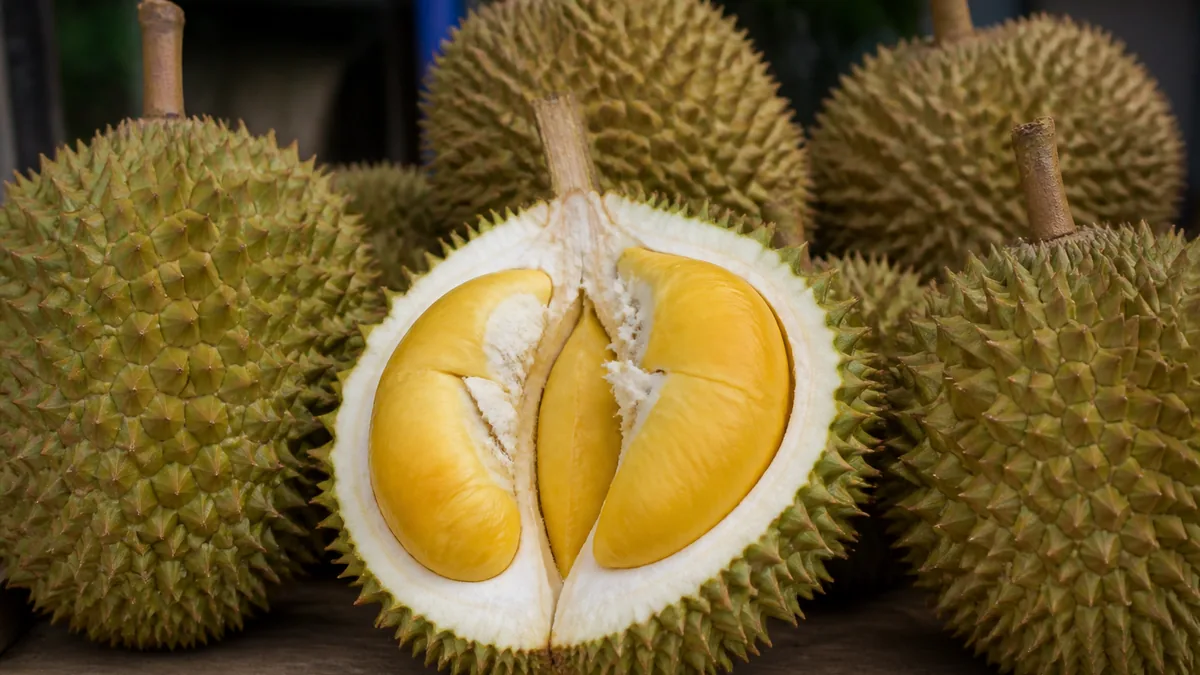
Malaysia’s iconic “king of fruits” — creamy, aromatic, and highly seasonal. Penang and Pahang are famous for cultivars like Musang King.
Season: Main season roughly June–August; secondary flushes vary by region.
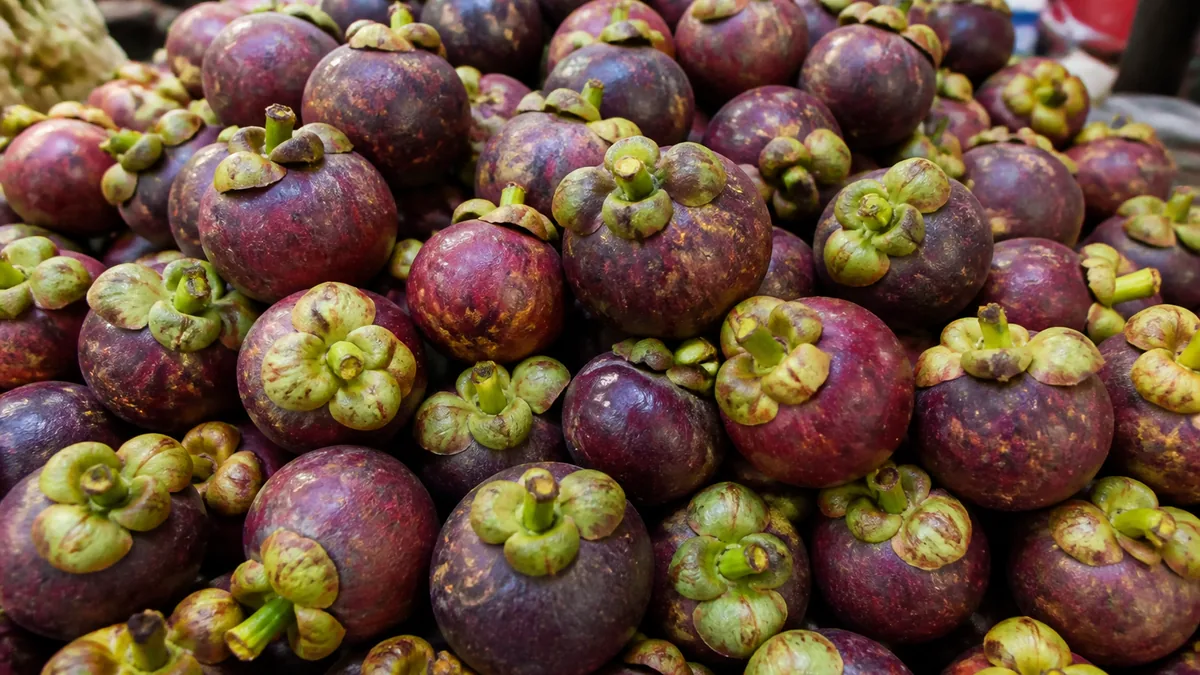
The “queen of fruits” — purple rind, snowy segments, and a balance of sweet-tart flavour. Often paired with durian season.
Season: Typically overlaps durian season; June–September in many states.
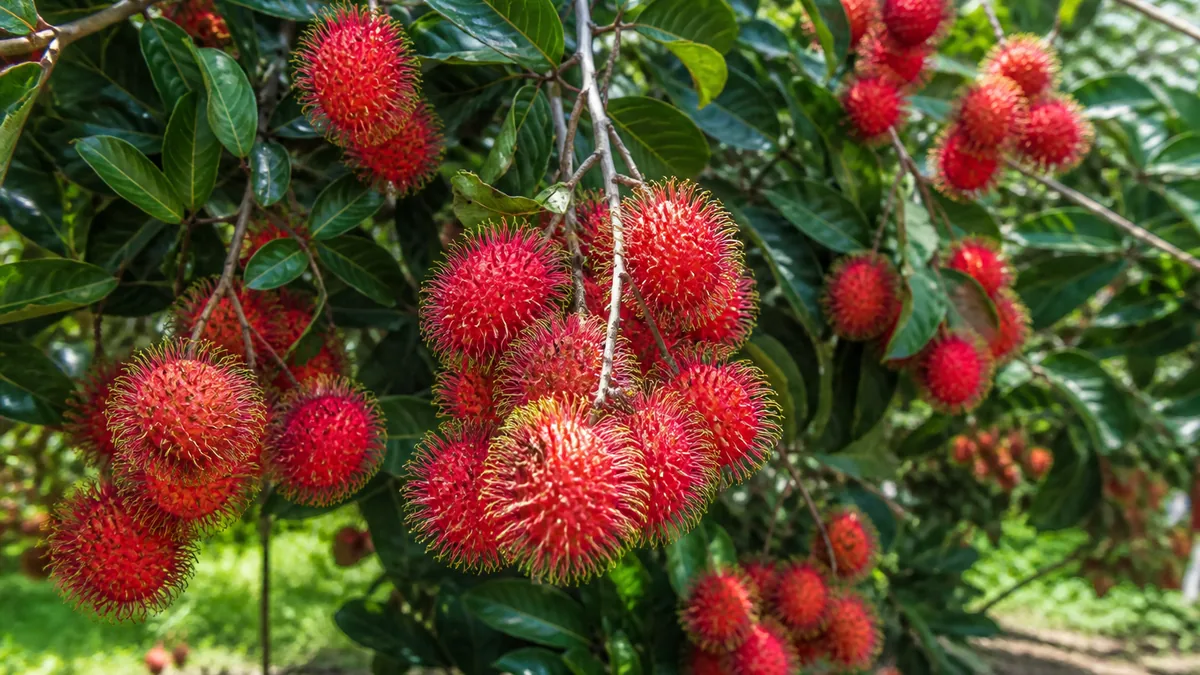
Hairy red or yellow-skinned lychee relative — juicy, mildly sweet, and abundant during mid-year harvests in lowland orchards.
Season: June–October in many districts; after heavy rains.
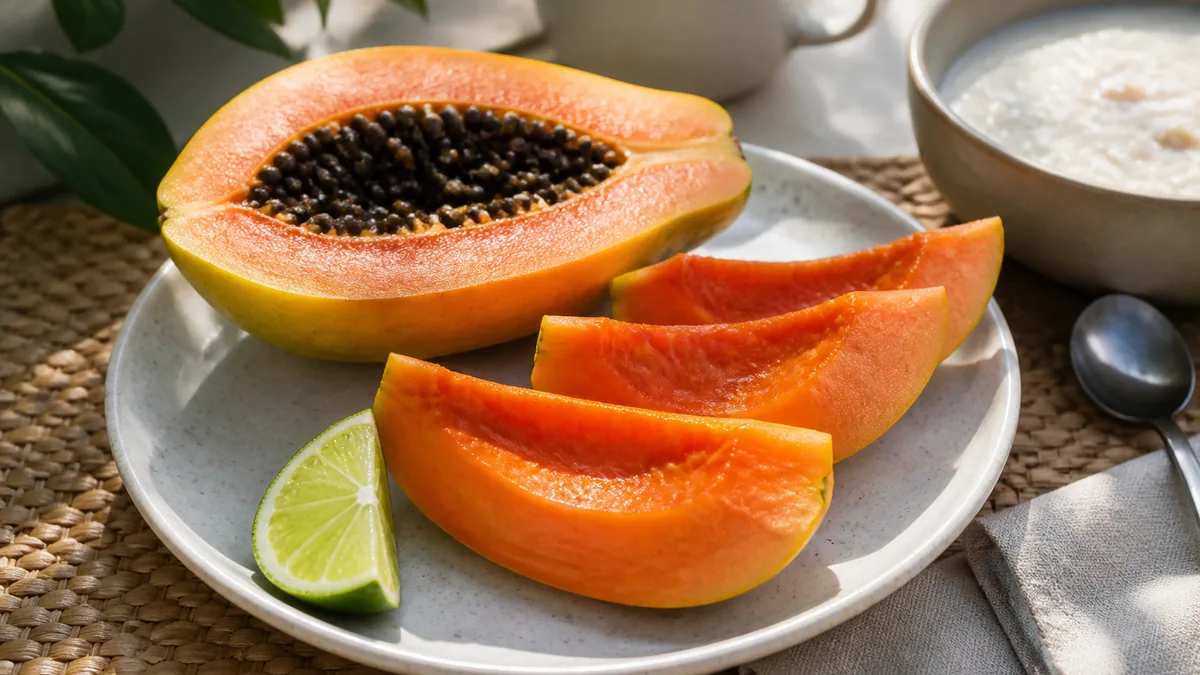
Everyday Malaysian staple — eaten ripe for breakfast, unripe in salads and curries. Grows well in warm lowlands year-round.
Season: Available year-round; peak sweetness when skin turns yellow-orange.
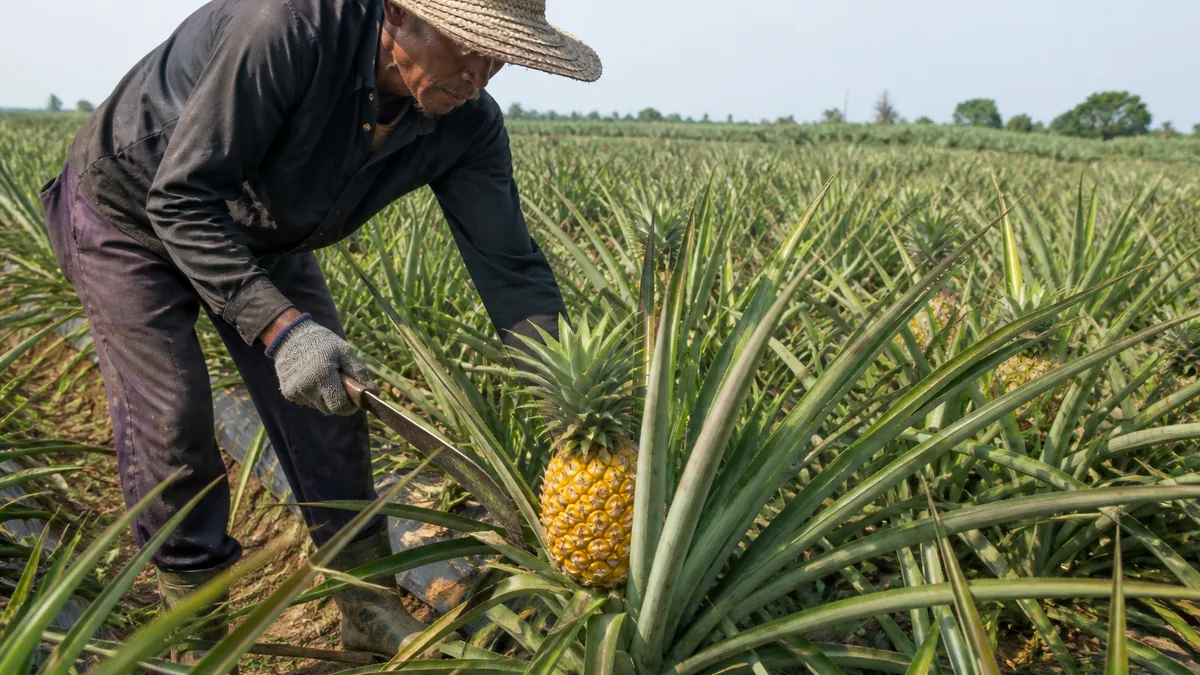
Johor is a major producer — sweet MD2 and Sarawak varieties supply markets, juice factories, and export chains.
Season: Year-round planting cycles; Johor harvests staggered across districts.
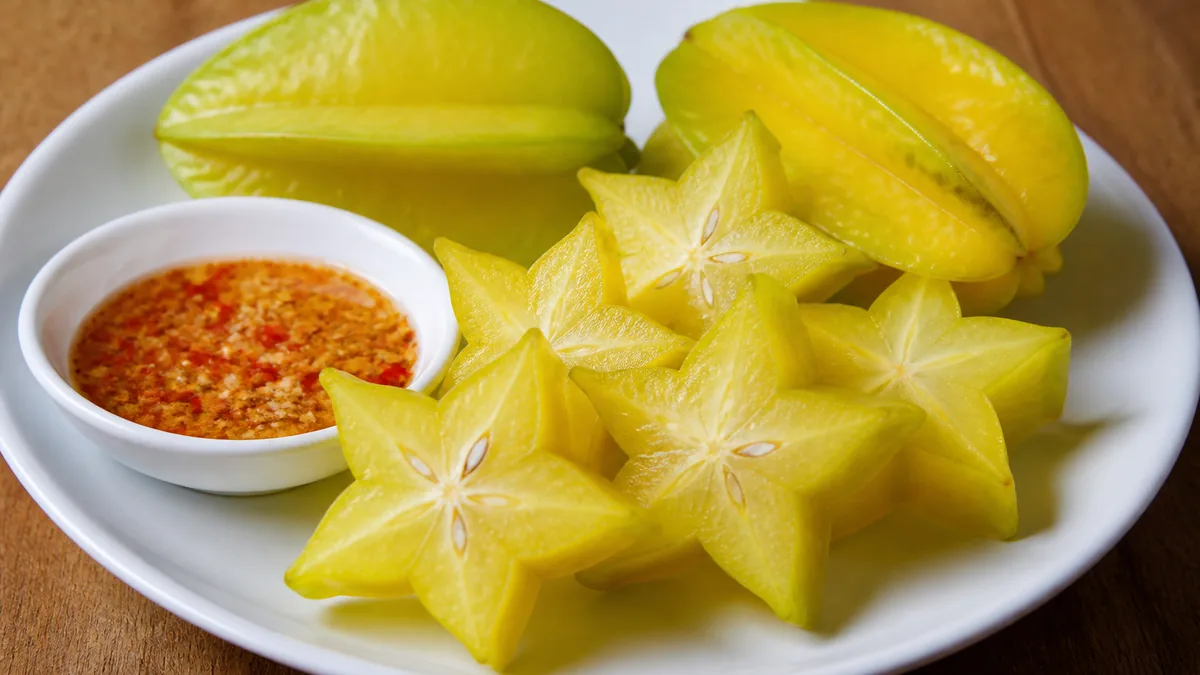
Crisp, juicy, and naturally star-shaped when sliced — belimbing is a backyard favourite across Malaysia, eaten green with salt and chili or ripe as a sweet snack.
Season: Two main seasons in many areas; often year-round on mature trees.
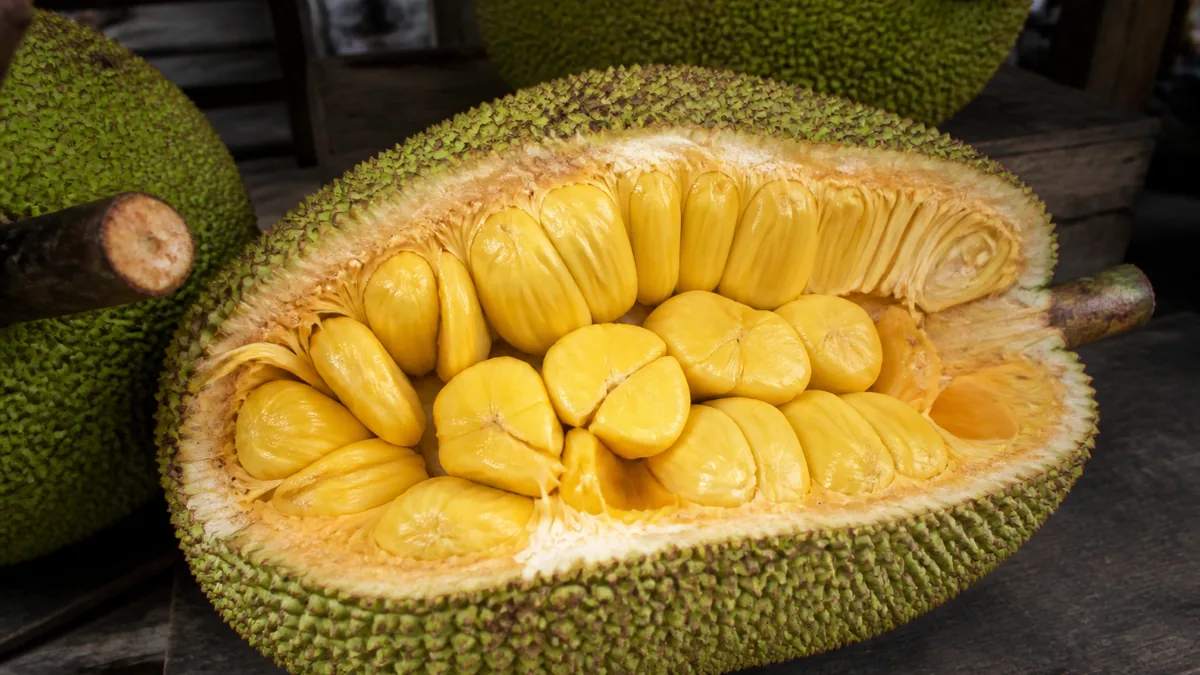
The world’s largest tree-borne fruit — nangka yields sweet yellow bulbs and unripe flesh used in curries. Common in kampung orchards and wet markets nationwide.
Season: Year-round with peaks after dry spells; heaviest harvest mid-year in many states.
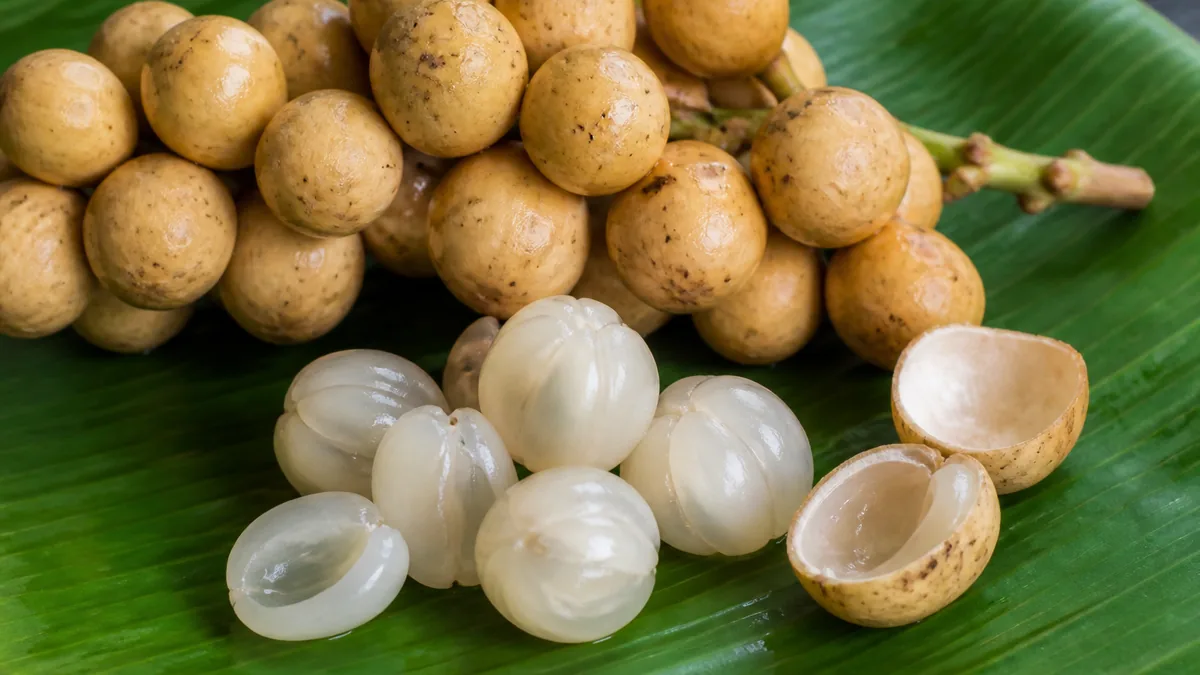
Translucent segments in a thin brown skin — langsat is tart-sweet while duku tends to be milder and larger. Both are East Coast and lowland favourites.
Season: July–October in many districts; after monsoon flowering.
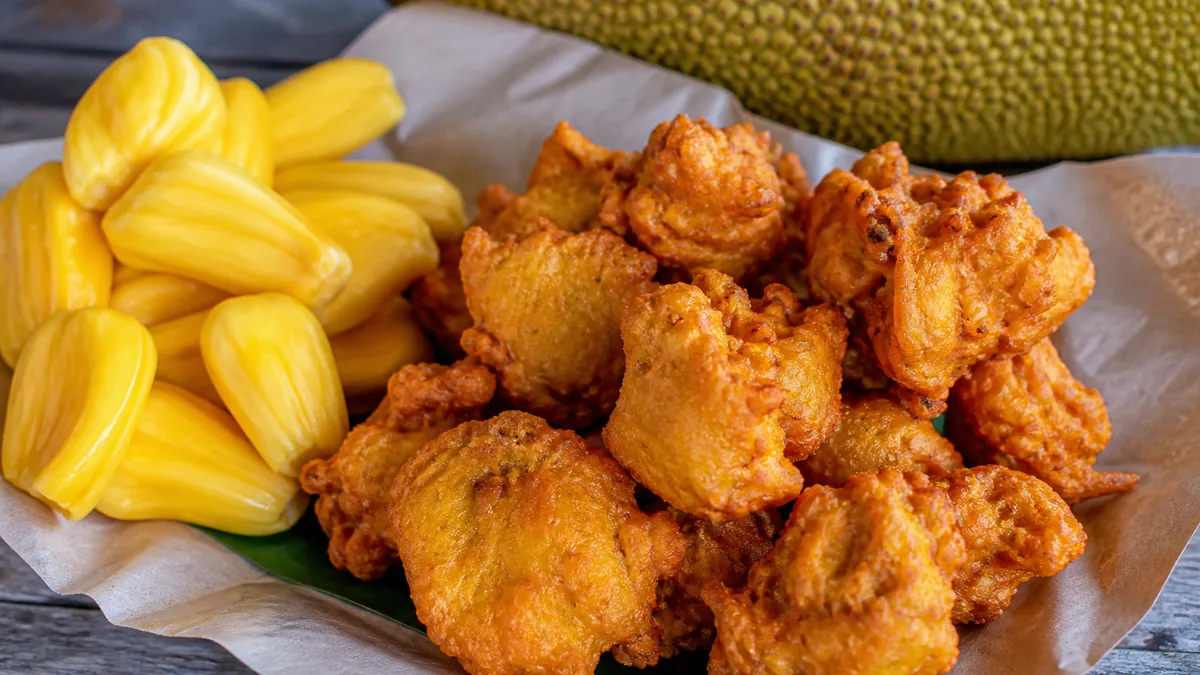
A close relative of jackfruit with stronger aroma and softer, sweeter flesh — beloved fried as goreng cempedak or eaten fresh when fully ripe.
Season: Main flush often mid-year; secondary harvests vary by region.
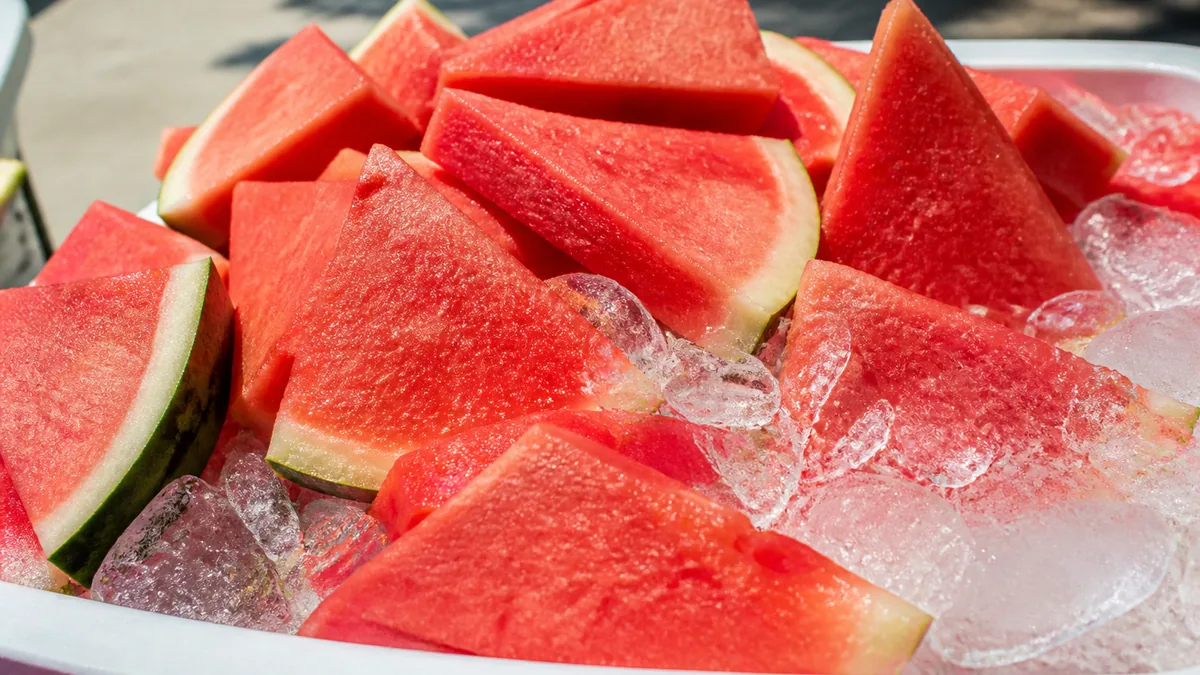
Essential Ramadan and hot-day refreshment — Malaysian growers supply seedless and seeded varieties from Kedah, Kelantan, and the northern plains.
Season: Year-round with peaks before festive seasons and dry months.
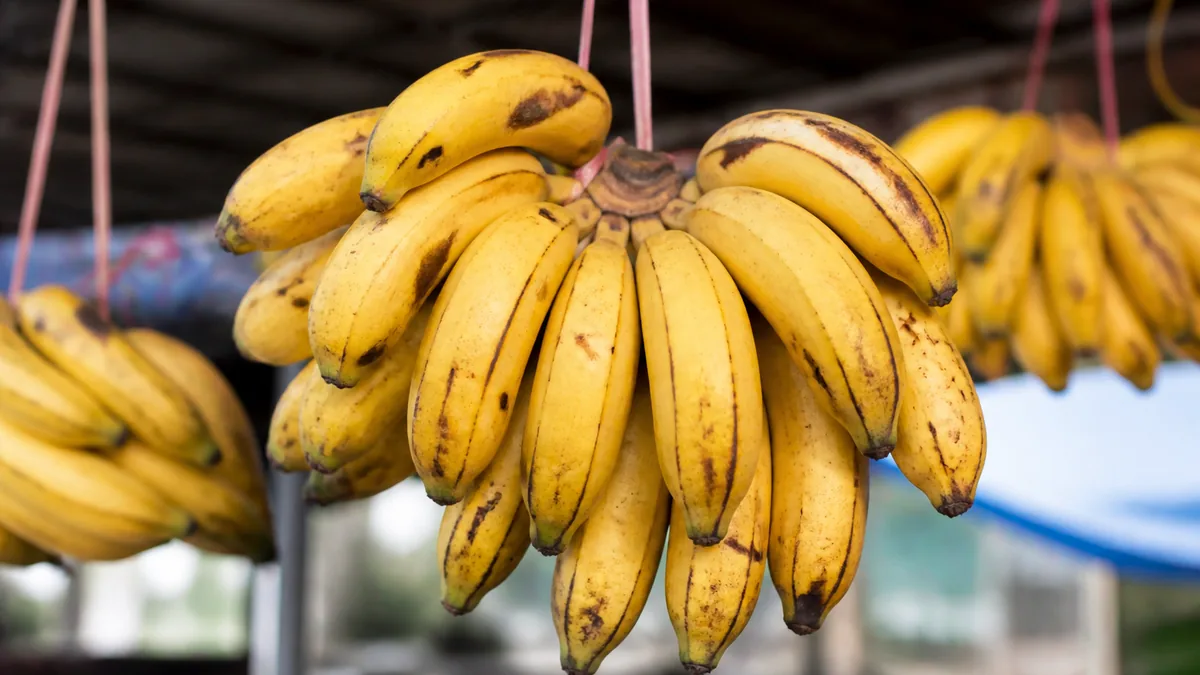
Dozens of cultivars — from pisang berangan and pisang emas for eating to pisang abu for goreng pisang. Malaysia is among the world’s top banana consumers.
Season: Continuous harvest year-round across the peninsula.
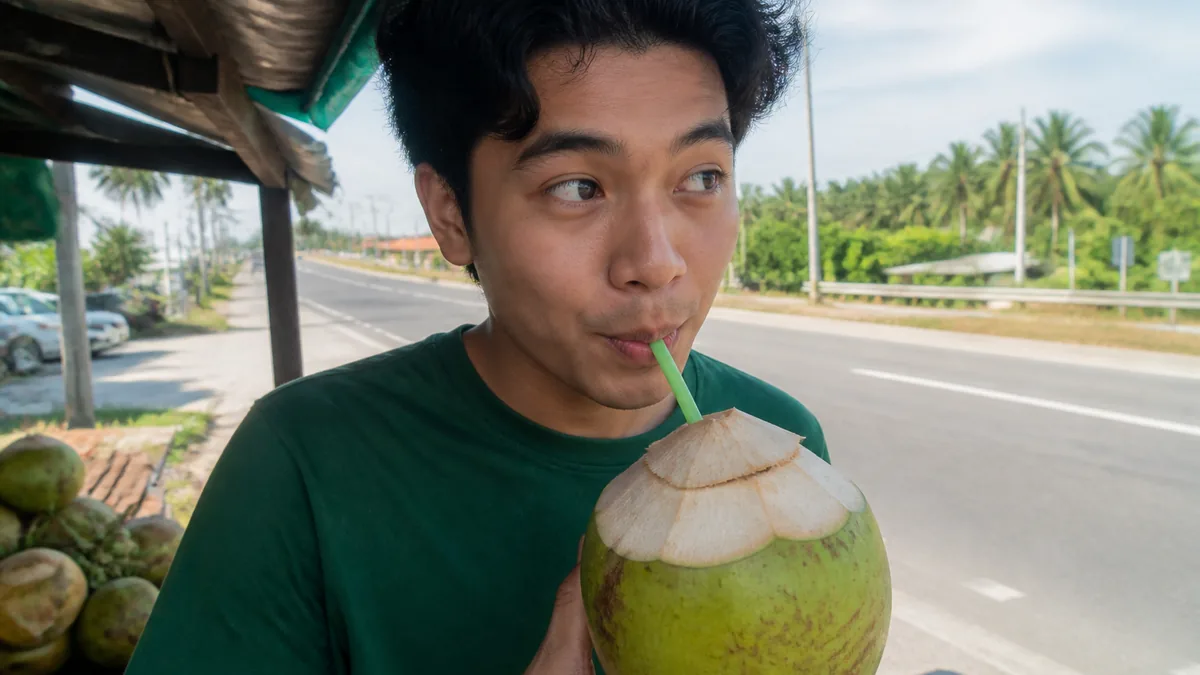
The tree of life — fresh drinking coconuts, santan for curries, gula melaka from sap, and young flesh in desserts. Coastal and inland groves throughout Malaysia.
Season: Available year-round; young drinking nuts prized when heavy and green.
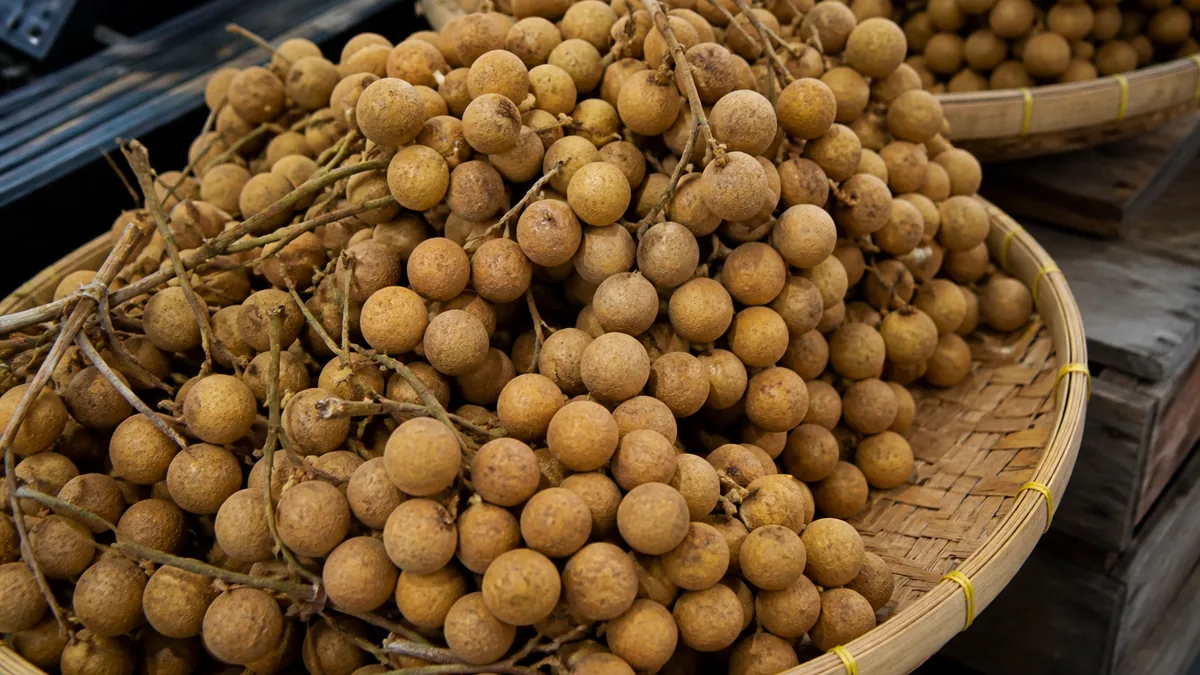
Small brown-skinned fruit with translucent, lychee-like flesh — longan (or mata kucing in some regions) is popular dried, fresh, and in tong sui desserts.
Season: July–September in many orchards; overlaps other mid-year tropical fruits.
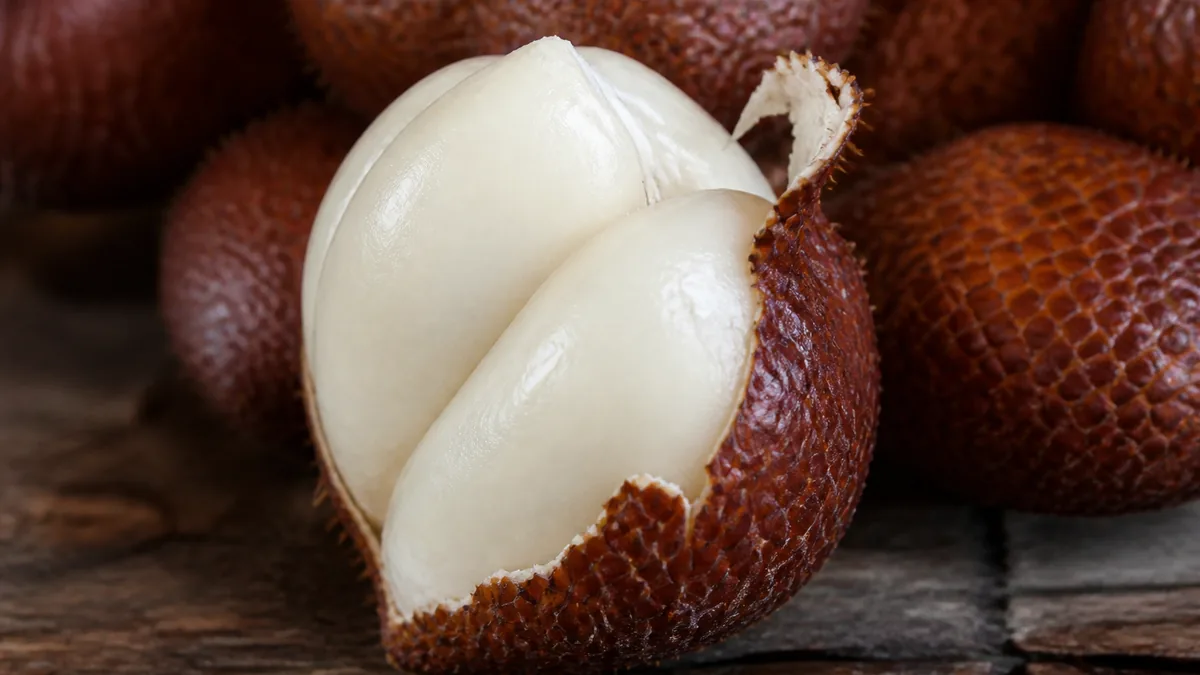
Red-brown scaly skin resembling snake scales — crisp, sweet-tart flesh with an apple-like crunch. Grown commercially in parts of Malaysia and often sold at agro markets.
Season: Year-round in managed orchards; peaks vary by cultivar.
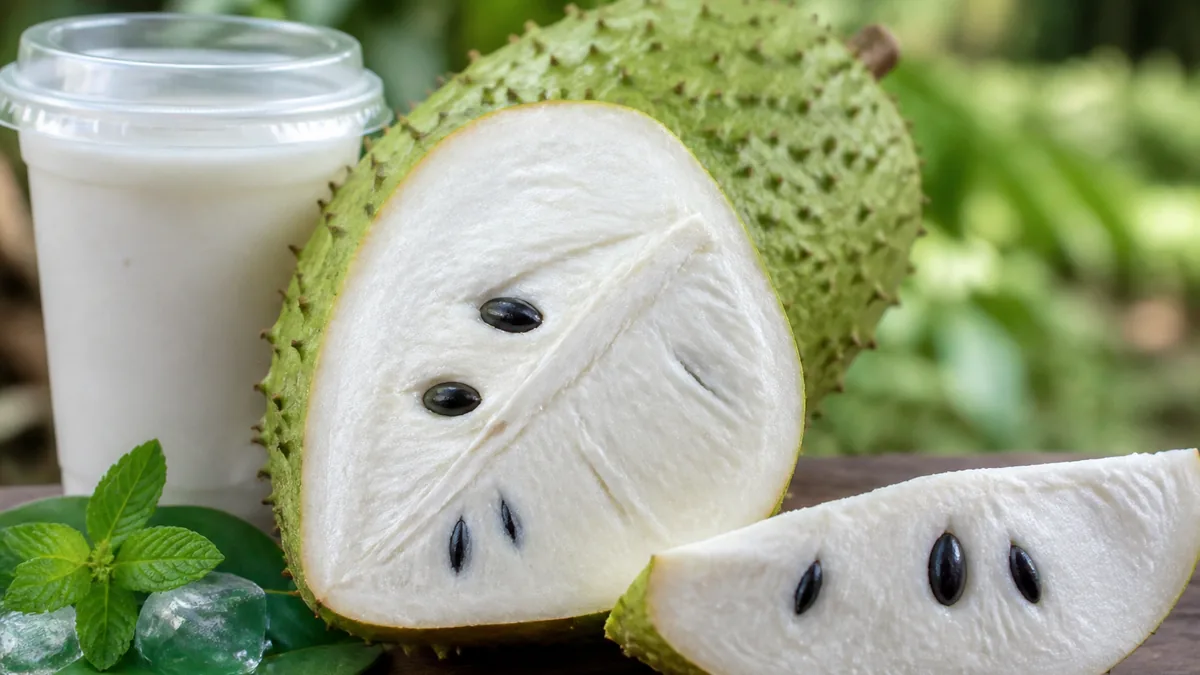
Creamy white pulp with a tangy-sweet profile — durian belanda is blended into juice, ice cream, and traditional remedies. Popular in kampung gardens and local markets.
Season: Multiple harvests year-round; heaviest after flowering in warm months.